
The Journey of Siu Mai: From Street Food to Dim Sum Staple
- Lucy Hsu
- Feb 23
- 2 min read


Introduction
Did you know that Siu Mai, the beloved dumpling often found in dim sum restaurants, started as a humble street food? This delightful dish has a rich history and cultural significance that has evolved over the years. In this blog, we’ll take a closer look at the origins of Siu Mai, its transformation into a dim sum staple, and why it continues to be a favorite among food enthusiasts worldwide.
The Origins of Siu Mai
Siu Mai, also known as Shumai, has its roots deeply embedded in the bustling streets of China. Traditionally, it was sold by street vendors in the early 20th century, particularly in Guangdong province. Made from a simple mixture of ground pork, shrimp, and mushrooms, the dumplings were quickly steamed and served hot, making them a convenient snack for busy city dwellers.
Transition to Dim Sum
As urbanization grew and dining culture evolved, Siu Mai transitioned from street food to a cherished component of dim sum cuisine. This evolution was influenced by the increasing popularity of tea-drinking culture among the Chinese elite, who sought to create a more refined dining experience. Restaurants began to incorporate Siu Mai into their dim sum offerings, enhancing the flavors and presentation to cater to a more sophisticated palate.
The Modern Version of Siu Mai
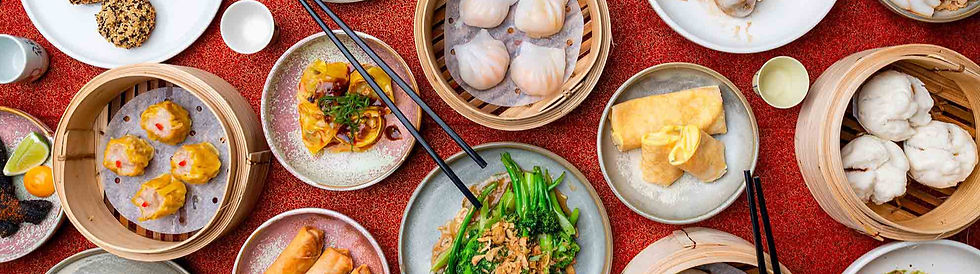
Today, you can find various interpretations of Siu Mai, each with unique fillings and culinary techniques. While the classic pork and shrimp version remains popular, many chefs experiment with different proteins, such as chicken or even vegetarian options, to appeal to a wider audience. Additionally, modern Siu Mai often features vibrant garnishes, such as tobiko or herbs, adding visual appeal to this already delectable dish.
Cultural Significance
Siu Mai holds a special place in Chinese culture. Often enjoyed during family gatherings, celebrations, and festive occasions, these dumplings symbolize unity and shared joy. The meticulous process of crafting Siu Mai reinforces the importance of family and tradition in Chinese cuisine.
Conclusion
From its humble beginnings as street food to becoming a dim sum staple, Siu Mai represents more than just a dish; it reflects the evolution of culinary traditions and the adaptability of food culture. So the next time you savor a steaming basket of Siu Mai, take a moment to appreciate its fascinating journey and the rich history that has brought it to your table.

Comments